
Watsonville, CA
Washer Dryer Repair
When laundry stops moving through the wash or dry cycle the way it should, we help identify what is interrupting the process and determine the right repair.
Other Appliance Repair Services
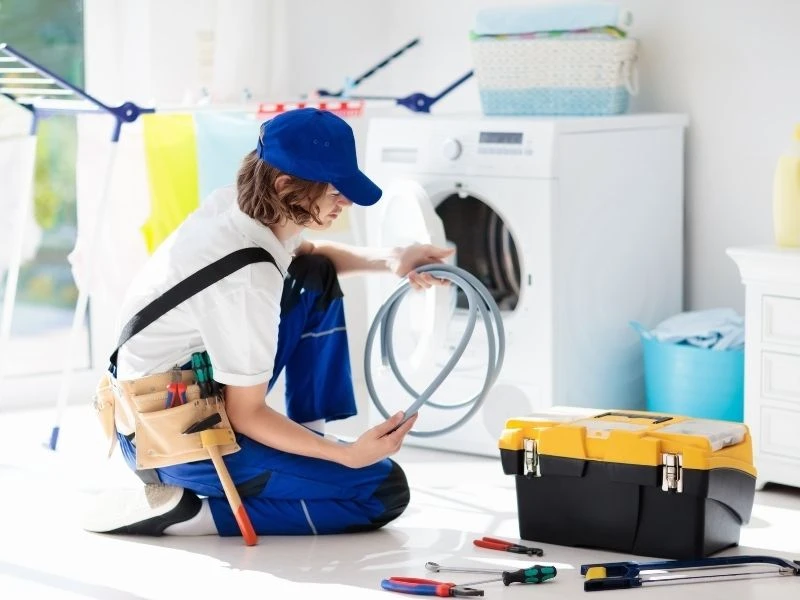

Washer Dryer Repair in Watsonville, CA
Laundry appliances work as part of a routine. The washer needs to fill, clean, drain, and spin the load before the dryer can finish the job with heat and airflow. When one stage stops working correctly, the entire laundry process can be affected.
Washer dryer repair in Watsonville, CA is not limited to a machine that completely stops working. A washer may leave excessive water in clothing, a dryer may run without properly drying, or a machine may repeatedly interrupt a cycle before the laundry is finished.
We look at the point where the laundry process changes from normal operation to abnormal behavior. That approach helps separate a washing problem from a draining, spinning, heating, airflow, or control problem.
When Your Laundry Cycle Stops Working Normally
A laundry appliance can develop a problem without becoming completely unusable. You may notice that clothes are wetter than usual, a cycle takes longer, the dryer needs multiple cycles, or the washer begins moving excessively during spin.
Other symptoms are more obvious. The washer may remain full of water, the dryer may tumble without producing enough heat, or the appliance may stop before the selected cycle is complete.
The important detail is often not simply whether the appliance turns on, but what happens during the cycle. Where the process stops can provide useful information about the system that needs attention.
The Washing Stage: Problems Before the Load Is Clean
The washing stage depends on several systems working together. Water has to enter the machine, the controls have to select the appropriate cycle, and the drum or tub has to move correctly.
A problem at this stage can leave laundry insufficiently washed or prevent the machine from progressing to the later drain and spin stages.
Washer Will Not Start
A washer that does not begin a cycle may have a problem involving its door or lid switch, controls, power supply, start function, or another component that must be satisfied before operation begins.
The exact cause depends on the washer design and what the appliance does when the start command is selected.
Washer Is Not Filling With Water
If the washer starts but does not receive the expected water, the problem may involve the water supply, inlet system, valves, controls, or another component responsible for filling the tub.
A slow fill can also affect the overall cycle because the appliance may wait for the required water level before continuing.
Washer Fills but Does Not Continue the Cycle
A washer that fills normally but then pauses or stops may have an issue involving the controls, sensing system, motor operation, lid or door lock, or another part of the cycle sequence.
Washer Is Not Agitating or Moving Correctly
Traditional washers and newer models use different methods to move clothing through the wash cycle. If the expected movement does not occur, the drive system, motor, controls, or related mechanical components may require evaluation.
Drain Problems: When Water Does Not Leave the Washer
Proper drainage is one of the most important transitions in a laundry cycle. The washer needs to remove used water before it can move effectively into a high-speed spin stage.
A drainage problem can leave clothing heavily saturated and may prevent the washer from completing the cycle normally.
Washer Not Draining
A washer that remains full of water may have a restriction in the drainage path, a pump problem, a hose issue, or another fault affecting water removal.
The source should be identified before assuming that the pump itself has failed.
Washer Leaves Water in the Drum
Standing water after a cycle is a clear sign that the machine has not completed its drainage process. The condition can also interfere with the following spin stage.
Washer Drains Slowly
Slow drainage can extend cycle times and may leave more water in clothing than expected. Restrictions, hose conditions, pump performance, or other drainage components can contribute to the problem.
Washer Stops With Water Inside
When a washer stops while water remains inside, the appliance may be unable to progress because the required drainage condition has not been met. The drainage system and cycle controls should be evaluated together.
Spin Cycle Problems
The spin stage prepares clothes for drying by removing a substantial amount of water from the load. When the washer cannot reach or maintain the expected spin operation, the dryer has to work much harder afterward.
This is why a spin problem can appear to be a dryer problem later in the laundry process even though the original issue is inside the washer.
Washer Not Spinning
A washer that drains but does not spin may have a problem involving the drive system, motor, lid or door lock, controls, suspension, or another component required for high-speed operation.
Clothes Come Out Soaking Wet
Very wet clothing after the wash cycle can indicate that the washer did not complete an effective spin. An overloaded or unbalanced load can sometimes affect spin performance, but repeated problems may indicate a mechanical or control issue.
Washer Shakes During Spin
Some movement is normal during operation, but excessive shaking, repeated banging, or the machine moving across the floor can indicate an imbalance, leveling problem, suspension issue, or another mechanical condition.
Washer Makes Loud Sounds During Spin
A new grinding, banging, rumbling, squealing, or repeated knocking sound can indicate that a component is operating differently from normal. The timing of the sound is useful because some faults become noticeable only when the drum reaches higher speed.
Washer Water and Leak Problems
Water-related washer problems deserve attention because a small leak can become a larger household issue if the source is not addressed.
The location and timing of the water can help distinguish between a supply-side issue, an internal leak, a door or lid sealing problem, or a drainage-related condition.
Washer Leaking During Fill
Water appearing while the washer is filling can point toward an inlet hose, connection, valve, dispenser, or another component involved in bringing water into the appliance.
Washer Leaking During the Cycle
A leak that appears while the drum is moving can have different causes from a leak that occurs only during filling. Internal hoses, seals, pumps, doors, and other components may need to be considered.
Front-Load Washer Door Seal Problems
Front-load washers use a door seal to help contain water around the rotating drum. A damaged or poorly sealing gasket can contribute to water escaping from the front of the appliance.
Washer Leaking During Drain or Spin
A leak that appears later in the cycle can be associated with the drainage path, pump, hose connections, tub area, or another component affected by increased water movement.
Drying Stage: When Clothes Stay Wet After Washing
Once the washer has completed its job, the dryer takes over. Drying performance depends on the drum moving correctly, heat being produced when required, and moist air leaving the appliance efficiently.
A dryer can appear to operate normally while still producing poor results. Clothes may feel warm but remain damp, or the machine may need multiple cycles to finish a load.
Dryer Not Drying Clothes
A dryer that tumbles but leaves clothing damp may have insufficient heat, restricted airflow, a sensing issue, a mechanical problem, or another condition affecting the drying cycle.
Dryer Takes Too Long to Dry
Extended drying times can be related to restricted airflow, reduced heating performance, moisture-sensing problems, overloading, or other conditions that prevent moisture from leaving the load efficiently.
A dryer that gradually takes longer to complete normal loads should not simply be treated as an inconvenience because drying performance can be affected by both appliance condition and airflow.
Dryer Runs but Clothes Remain Damp
Warm clothing at the end of a cycle does not necessarily mean the dryer is working correctly. Moisture removal depends on heat, airflow, drum movement, and the dryer’s ability to detect or complete the selected cycle.
Dryer Stops Before Clothes Are Dry
A dryer that repeatedly ends a cycle while clothes are still damp may have a sensing, heating, airflow, control, or operating-condition problem.
Dryer Heating and Airflow Problems
Drying is not simply a matter of making the drum hot. Moisture needs a path out of the appliance, while the dryer needs to regulate temperature during operation.
Problems involving heating or airflow can therefore produce similar symptoms even though the underlying causes are different.
Dryer Not Heating
A dryer that tumbles without producing expected heat may have a problem involving the heating system, safety components, controls, electrical supply, or gas ignition system on applicable models.
Dryer Has Weak Heat
Reduced heating performance can make cycles much longer and may prevent clothing from drying properly. The heating system and airflow conditions should be considered together when investigating the symptom.
Dryer Airflow Is Restricted
Poor airflow can slow moisture removal and increase drying time. Airflow problems may involve the exhaust path, internal restrictions, venting conditions, or components responsible for moving air through the machine.
Dryer Gets Too Hot
Excessive heat is not a normal condition to ignore. Temperature-control components, airflow restrictions, heating components, or other safety-related systems may be involved.
Dryer Drum and Movement Problems
The dryer drum needs to rotate smoothly so that warm air can reach different parts of the load. Problems with the drum drive or support system can affect both drying performance and the sounds produced by the appliance.
Dryer Not Tumbling
A dryer that turns on but does not rotate the drum may have a problem involving the drive belt, motor, drum support system, controls, or another mechanical component.
Dryer Makes Squealing or Squeaking Sounds
A new squealing or squeaking sound can indicate wear in a rotating or supporting component. The source should be identified based on when the sound occurs and how it changes during the cycle.
Dryer Makes Rattling or Thumping Sounds
Repeated thumping or rattling can be associated with drum movement, support components, foreign objects, or another mechanical condition. The pattern of the sound can help narrow the source.
Dryer Motor Runs but Drum Does Not Move
When the motor can be heard but the drum remains stationary, the problem may be located in the drive system connecting the motor to the drum.
Washer and Dryer Controls, Sensors, and Cycle Errors
Modern laundry appliances use electronic controls and sensors to coordinate water levels, drum movement, temperature, timing, and other parts of the cycle.
An error message can provide useful information, but the displayed code does not always identify the failed physical component by itself.
Washer Control Panel Not Responding
A washer that does not respond to selected commands may have a problem involving its user interface, control system, power supply, wiring, or another connected component.
Dryer Control Panel Not Responding
A dryer with unresponsive controls may have an issue with the interface, electronic control, power circuit, or another component responsible for receiving and processing commands.
Washer or Dryer Shows an Error Code
Error codes vary between manufacturers and models. They can narrow the area that needs attention, but the underlying component should be confirmed rather than replacing a part based only on the code.
Laundry Appliance Stops Mid-Cycle
A washer or dryer that repeatedly stops before completing its cycle may be reacting to a sensing condition, safety control, heating problem, drainage issue, motor problem, or electronic fault.
Washer Dryer Combo and Stackable Units
Compact, stacked, and combination laundry appliances can have different layouts from traditional side-by-side machines. Access to components, ventilation arrangements, and the relationship between washing and drying functions can vary by model.
The visible symptom may still resemble a standard washer or dryer problem, but the internal configuration can change the diagnostic approach.
Stacked Washer Dryer Problems
A stacked laundry setup can experience the same general washing and drying symptoms as separate appliances, including drainage, spin, heating, airflow, and control problems. The configuration of the unit should be considered during diagnosis.
Compact Laundry Appliance Problems
Compact machines often combine space-saving designs with specialized controls and airflow arrangements. A repair should account for the specific model rather than assuming that every compact appliance uses the same components.
Washer Dryer Combo Performance Problems
Combination units perform multiple laundry functions within one appliance. Problems with washing, draining, drying, heat, or cycle controls can therefore affect more than one stage of the overall process.
Laundry Appliance Noise and Vibration
Noise is one of the easiest washer and dryer problems to notice because these appliances normally have recognizable operating sounds. A sudden change in those sounds can provide an important clue.
The timing of the noise matters. A sound during filling, draining, high-speed spin, tumbling, or heating can point toward different parts of the appliance.
Washer Vibrates Excessively
Excessive vibration can result from load imbalance, leveling, suspension components, or other mechanical conditions. If the machine repeatedly moves or bangs during spin, the cause should be investigated.
Washer Makes Grinding Sounds
Grinding that appears during drum movement or spin can indicate mechanical wear or an obstruction. Continued operation without identifying the source may allow the underlying problem to become more severe.
Dryer Makes Unusual Sounds
Squealing, scraping, rumbling, or repeated thumping can indicate wear in the drum support, drive, motor, or other mechanical systems.
Why a Washer Problem Can Affect the Dryer
The washer and dryer are separate appliances, but their performance is connected through the laundry process. A washer that leaves excessive water in clothing can make the dryer appear weak even when the dryer itself is operating normally.
If clothes enter the dryer much wetter than usual, the dryer has to remove more moisture. This can extend drying time and create the impression of a dryer problem.
For that reason, a complete laundry diagnosis should consider what happened during the wash and spin stages before assuming the dryer is responsible for every wet-load complaint.
Washer Dryer Safety and Performance
Laundry appliances combine water, electricity, heat, motors, and moving components. Some problems therefore deserve attention before the appliance is used again.
Persistent water leaks, electrical burning smells, damaged power connections, severe overheating, unusual electrical behavior, or abnormal dryer heat should not be ignored.
Gas dryers also require additional care because they combine fuel with heat and ignition. Suspected gas leaks or strong gas odors should be treated as safety issues rather than ordinary appliance faults.
Repair or Replace Your Washer or Dryer?
A washer or dryer with one failing component may still have useful life remaining. Replacement is not automatically the right answer simply because the appliance has stopped working normally.
The decision depends on the appliance's age, overall condition, repair requirements, previous problems, and the expected usefulness of the appliance after repair.
A diagnosis can help distinguish between a localized repair and a broader condition affecting the machine.
Washer Dryer Repair in Watsonville, CA
When laundry appliances stop completing their cycles, the disruption can build quickly. A washer that leaves water in the drum or clothing soaking wet can affect everything that happens next, while a dryer that takes multiple cycles to finish can turn a normal laundry load into an all-day task.
We provide washer dryer repair in Watsonville, CA for problems involving washing, draining, spinning, drying, heating, airflow, vibration, controls, and cycle operation.
Whether the problem starts during the wash stage or appears after the load reaches the dryer, identifying where the laundry process changes is an important part of finding the right repair.
Schedule Washer Dryer Repair in Watsonville, CA
If your washer is not draining or spinning, your dryer is not heating or drying properly, or your laundry appliances are making unusual sounds or stopping during cycles, contact us to discuss the problem and arrange washer dryer repair in Watsonville, CA.
A clear description of what happens during the cycle can help point toward the system that needs attention and make the repair process more focused.
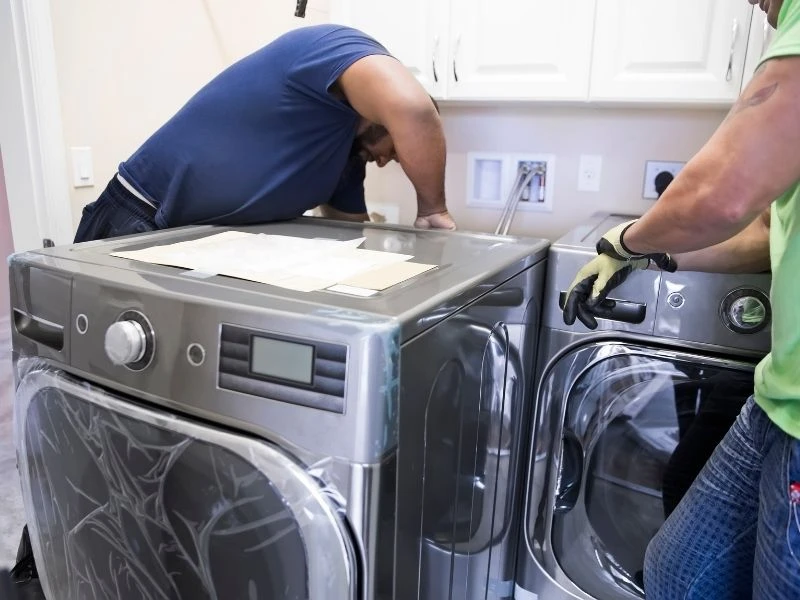 Washer Dryer Repair
Common issues
- Washer not starting
- Washer not draining
- Washer not spinning
- Washer leaving clothes soaking wet
- Washer leaking water
- Washer making unusual noises
- Dryer not starting
- Dryer not tumbling
- Dryer not heating
- Dryer taking too long to dry
Brands we service
Whirlpool, GE, GE Profile, LG, Samsung, Maytag, Frigidaire, Electrolux, Kenmore, Amana, Bosch, KitchenAid, and most other major residential brands.
FAQs
Washer Dryer Repair Questions
Answers to common questions about washer dryer repair in Watsonville, CA.
Why is my washer not spinning?
A washer that does not spin may have a problem involving the drive system, motor, lid or door lock, controls, suspension, drainage condition, or another component required for the spin cycle.
Why are my clothes soaking wet after the washer finishes?
Clothes that remain very wet may indicate that the washer did not complete an effective spin or did not remove water properly. Load imbalance can sometimes affect spinning, but repeated problems may require further diagnosis.
Why is my washer not draining?
A washer may fail to drain because of a restriction in the drainage path, a hose problem, pump issue, or another condition affecting water removal. The source should be identified before replacing components.
Why is my washer leaking water?
Washer leaks can originate from inlet connections, hoses, seals, the door area, pumps, internal components, or the drainage system. Where and when the leak appears can help narrow down the cause.
Why is my dryer running but not heating?
A dryer that runs without producing expected heat can have a heating-system, electrical, control, safety, or gas-ignition problem depending on the dryer type.
Why does my dryer take so long to dry clothes?
Long drying times can be related to restricted airflow, reduced heating performance, moisture-sensing problems, overloading, or another condition affecting moisture removal.
Why is my dryer getting too hot?
Excessive dryer heat can be associated with restricted airflow, temperature-control problems, heating components, or other safety-related conditions. Continued overheating should be investigated.
Why is my dryer making a loud noise?
New squealing, scraping, rumbling, or thumping sounds can indicate wear in the drum support, drive system, motor, or another mechanical component. The timing and type of noise can help identify the source.
Why does my washer shake so much during spin?
Excessive washer vibration can be caused by an unbalanced load, leveling issue, worn suspension components, or another mechanical condition. Repeated severe movement should be evaluated.
Can a washer problem make the dryer seem like it is not working?
Yes. If the washer leaves excessive water in clothing because it is not draining or spinning correctly, the dryer has much more moisture to remove. This can make drying take significantly longer even when the dryer itself is operating.
Why does my washer or dryer stop in the middle of a cycle?
A mid-cycle stop can be related to drainage, heating, motor operation, sensors, safety controls, power, or electronic controls. The point in the cycle where the appliance stops can help narrow down the cause.
Should I repair or replace my washer or dryer?
The decision depends on the appliance's age, overall condition, type of failure, repair requirements, previous problems, and expected usefulness after repair. A diagnosis can help determine whether repair is practical.
Need a repair?
Need washer dryer repair?
Tell us what’s wrong and we’ll help you find the next available appointment.