
Watsonville, CA
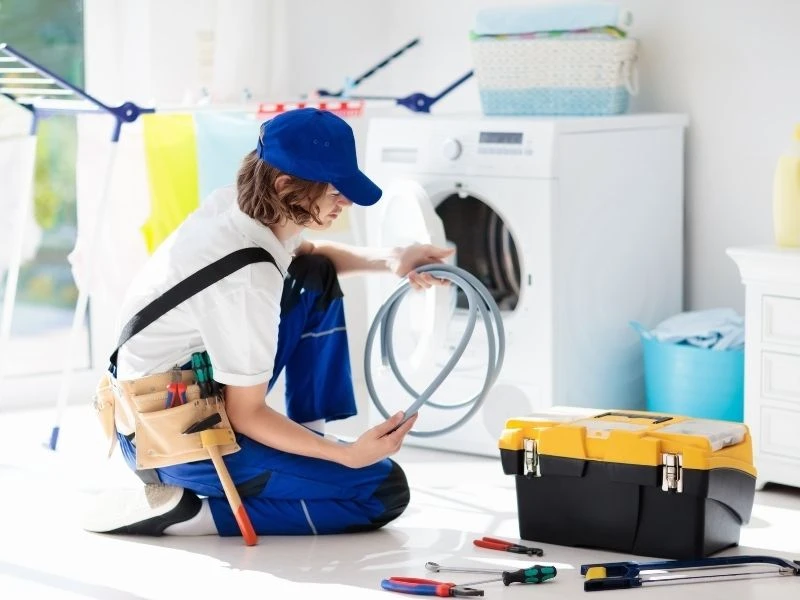
Washing Machine Repair
When your washing machine is not draining, spinning, filling, or completing its cycle properly, we help identify the problem and determine the right repair solution.
Other Appliance Repair Services
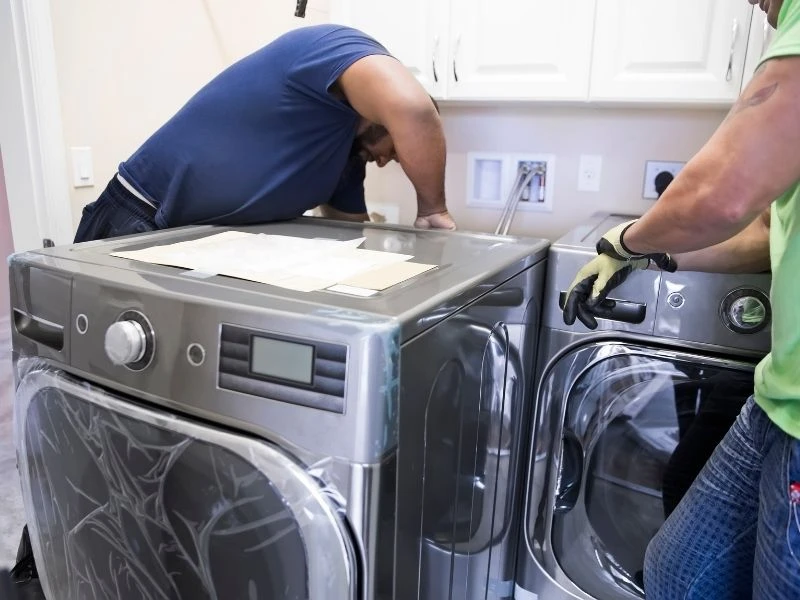

Washing Machine Repair in Watsonville, CA
A washing machine has to complete several stages during every load, from filling and washing to draining and spinning. When one part of that process stops working correctly, clothes may remain soaked, the machine may stop mid-cycle, or water may collect where it should not.
Our washing machine repair service in Watsonville, CA focuses on identifying what is preventing the washer from completing its normal cycle. Depending on the symptoms, the problem may involve the drain system, water supply, motor, drive components, door or lid lock, suspension system, controls, or another internal component.
Whether your washer refuses to spin, leaves water in the drum, shakes excessively, leaks during a cycle, or will not start, understanding the cause of the problem helps determine the appropriate repair.
Washing Machine Problems We Repair
Washer problems often show up through changes in how a cycle behaves. A machine may fill normally but fail to drain, drain successfully but refuse to spin, or stop before the cycle finishes. Paying attention to what happens during each stage can provide useful information when diagnosing the problem.
Washing Machine Not Spinning
A washer that finishes a cycle with soaking-wet clothes may not be reaching the proper spin speed. A drain problem, door or lid lock issue, drive component, motor, suspension problem, or control fault can prevent normal spinning.
Since some washing machines will not enter a full spin cycle until the water has been removed, a spin problem can sometimes be connected to an underlying drainage issue.
Washing Machine Not Draining
Standing water inside the washer after a cycle can indicate a problem with the drain hose, drain pump, filter, or another part of the drainage path. A blockage can also slow the removal of water and prevent the washer from moving normally into the spin stage.
If the machine repeatedly leaves water behind, the drainage system should be evaluated to determine where the flow is being restricted.
Washing Machine Not Filling With Water
A washer that starts a cycle but does not receive enough water may have an issue involving the water supply, inlet hoses, inlet valve, screens, water-level sensing system, or controls.
Slow filling can also affect the timing and operation of the wash cycle. Identifying whether the machine receives no water or only a limited amount can help narrow down the cause.
Washing Machine Leaking Water
Water appearing around a washing machine can come from different areas depending on when the leak occurs. Supply hoses, drain connections, pumps, door seals, tub components, and other water-handling parts can all contribute to leakage.
The timing and location of the leak are useful clues. A leak during filling may point toward a different area than one that appears while the washer is draining or spinning.
Washing Machine Shaking or Vibrating
Some movement during a spin cycle can occur when a load becomes uneven, but repeated or excessive shaking can indicate a leveling, suspension, drum, or other mechanical problem.
If the washer repeatedly moves, bangs against nearby surfaces, or becomes unusually unstable during spin, the cause should be checked rather than simply repositioning the machine each time.
Washing Machine Making Unusual Noises
Clicking, grinding, banging, squealing, humming, or other new sounds can indicate a problem with a pump, motor, bearings, drive components, suspension, or another part of the washer.
The stage of the cycle when the noise occurs can provide an important clue. A sound during draining may have a different cause from one that appears only during high-speed spinning.
Washing Machine Stopping During a Cycle
A washer that stops before completing its cycle may be responding to a drainage, water-level, door-lock, motor, electrical, or control problem. Error codes may also appear on models with electronic displays.
Knowing exactly when the machine stops can help determine which part of the cycle is being interrupted and where further diagnosis should begin.
Washing Machine Not Starting
A washer that does not respond when a cycle is selected may have an issue involving the power supply, door or lid switch, start controls, control board, or another electrical component.
If the machine has power but will not begin the cycle, the locking mechanism and control system may need to be evaluated along with other relevant components.
Washer Door or Lid Problems
Modern washing machines generally require the door or lid to be properly closed or locked before certain parts of the cycle can begin. A faulty latch, switch, lock assembly, or related control can prevent the washer from starting or advancing through the cycle.
A door that remains locked after a cycle can also be related to water remaining inside the machine or a problem with the locking system.
Washing Machine Error Codes
Electronic washers may display an error code when they detect a problem with functions such as draining, filling, door locking, motor operation, or other system components.
An error code can provide a useful starting point, but the code itself does not always mean that a particular part should immediately be replaced. The related system should be evaluated to determine the actual cause.
Washing Machine Components We Diagnose and Repair
A washing machine combines water-handling, mechanical, electrical, and electronic systems to complete each laundry cycle. When a washer develops a problem, the affected component depends on the symptoms and the stage of the cycle where the failure occurs.
Drain Pump and Drain System
The drain pump helps remove used water from the washer. A blocked or failing pump, restricted filter, or drainage problem can leave water inside the machine and may prevent a normal spin cycle.
Water Inlet Valve
The water inlet valve controls water entering the washing machine. Problems with the valve or restricted inlet screens can result in slow filling or a washer that does not receive the expected amount of water.
Drive Motor
The motor provides the movement required for washing and spinning. Motor-related problems can affect drum movement, spin performance, cycle completion, or overall washer operation.
Drive Belt and Coupling Components
Depending on the washer design, belts, couplers, clutches, or other drive components transfer power to the drum or agitator. Wear or failure in these parts can affect washing and spinning performance.
Door Lock and Lid Switch
Door locks and lid switches help confirm that the washer is safely closed before certain operations begin. A faulty lock or switch can prevent a cycle from starting or stop the machine from entering a spin stage.
Suspension System
The suspension system helps control movement of the tub during operation. Worn or damaged suspension components can contribute to excessive bouncing, shaking, or noise during the spin cycle.
Drum Bearings
Bearings support the rotating drum in applicable washing machine designs. Bearing problems can produce unusual sounds and may become more noticeable as the washer reaches higher spin speeds.
Water Level Sensor
The water-level sensing system helps the washer determine how much water is present during a cycle. A problem with sensing can affect filling, washing, draining, or other stages of operation.
Control Board and Electronic Controls
Electronic controls coordinate different washer functions, including cycle selection, water management, motor operation, locking systems, and error detection. Control problems can produce a variety of symptoms depending on the washer model.
Agitator or Wash Plate
Top-load washing machines may use an agitator or wash plate to move clothes through the water. Problems with the drive or related components can affect how effectively the machine performs the wash portion of a cycle.
Front-Load and Top-Load Washing Machine Repair
Front-load and top-load washers perform the same basic laundry functions but use different designs and component layouts. This can affect how certain problems appear and which parts are involved.
Front-Load Washing Machines
Front-load washers use a horizontal drum and a front access door. Common concerns can include door-lock problems, door gasket leaks, drainage issues, excessive vibration, bearing noise, and problems completing the spin cycle.
Top-Load Washing Machines
Top-load washers use an upper lid and may operate with an agitator or wash plate. Depending on the model, service concerns can involve the lid switch, drive system, suspension, water filling, drainage, and spin operation.
How We Diagnose Washing Machine Problems
Washer problems can be connected to more than one part of the machine. For example, a washer that will not spin may actually have a drainage problem, while excessive vibration may be related to load balance, leveling, suspension, or another mechanical condition. A useful diagnosis considers how the complete cycle behaves.
Understand What Happens During the Cycle
The first step is understanding when the problem appears. Whether the washer fails during filling, washing, draining, or spinning can help narrow down the systems that need attention.
Check the Washer's Operating Behavior
The washer can be observed for symptoms such as unusual sounds, water remaining in the drum, excessive movement, failed drum rotation, interrupted cycles, or problems with the door or lid.
Examine the Relevant Components
Depending on the symptoms, the water supply, drainage system, drive components, motor, locking mechanism, suspension, sensors, and controls may need to be evaluated.
Locate the Source of the Fault
The goal is to distinguish the actual cause from the visible symptom. This helps avoid replacing unrelated parts when another component is responsible for the washer's behavior.
Determine the Appropriate Repair
Once the source of the problem is understood, the appropriate repair can be determined based on the affected component, washer design, and overall condition of the machine.
Verify Washer Operation
After the repair, the affected operation can be checked to confirm that the washer is responding properly and that the reported problem has been addressed.
Washer Problems That Should Not Be Ignored
Some washing machine problems become easier to identify when they repeat over several cycles. Clothes remaining unusually wet, standing water after a wash, recurring leaks, severe vibration, or repeated error codes can indicate that the washer is not operating normally.
Continuing to run a machine with a persistent mechanical, drainage, electrical, or water-related problem may allow the underlying issue to become more complicated. If a problem keeps returning after normal cycle settings and load conditions have been checked, the washer may need a proper inspection.
Washing Machine Repair in Watsonville, CA
When a washing machine stops completing its normal cycle, everyday laundry can quickly become difficult. We provide washing machine repair in Watsonville, CA for homeowners dealing with drainage problems, spin failures, water supply issues, leaks, excessive vibration, unusual sounds, door or lid problems, and other washer concerns.
Our approach focuses on understanding how the washer is behaving, identifying the likely source of the problem, and determining a practical repair based on the condition of the machine.
Schedule Washing Machine Repair in Watsonville, CA
Having trouble with your washing machine? Contact us to discuss the symptoms and schedule washing machine repair in Watsonville, CA. Whether the washer is leaving clothes soaked, failing to drain, shaking excessively, leaking water, or stopping during a cycle, identifying the cause can help determine the right repair solution.
 Washing Machine Repair
Common issues
- Washing machine not spinning
- Washing machine not draining
- Washing machine not filling
- Washing machine leaking water
- Washing machine shaking or vibrating
- Washing machine making unusual noises
- Washing machine stopping during a cycle
- Washing machine not starting
- Washer door or lid problems
- Washing machine error codes
Brands we service
Whirlpool, Maytag, GE, LG, Samsung, Frigidaire, Electrolux, Bosch, Kenmore, Amana, Speed Queen, and most other major residential brands.
FAQs
Washing Machine Repair Questions
Answers to common questions about washing machine repair in Watsonville, CA.
Why is my washing machine not spinning?
A washer may fail to spin because of a drainage problem, door or lid lock issue, drive component failure, motor problem, suspension issue, or control fault. Since some machines require the water to drain before entering a full spin, a drainage problem can also appear as a spin problem.
Why is my washing machine not draining?
A washer may not drain because of a restricted drain hose, clogged filter, blocked pump, failing drain pump, or another drainage problem. The washer's design and the exact symptoms can help determine where the problem is located.
Why is my washing machine shaking so much?
Excessive shaking can result from an uneven load, an unlevel washer, suspension problems, or other mechanical issues. If the machine repeatedly vibrates or moves during spin cycles, the cause should be evaluated.
Why is my washing machine leaking water?
Water can leak from supply hoses, drain connections, pumps, door seals, tub components, or other water-handling parts. The point in the cycle when the leak occurs and where the water appears can help identify the source.
Why is my washing machine not filling with water?
Filling problems can involve the water supply, inlet hoses, inlet screens, water inlet valve, water-level sensing system, or controls. A washer that fills very slowly may have a restriction or component problem affecting water flow.
Why does my washing machine stop during a cycle?
A washer may stop during a cycle because of drainage, water-level, door-lock, motor, electrical, or control problems. The stage where the machine stops and any displayed error code can provide useful information for diagnosis.
Why is my washing machine making a grinding or banging noise?
Unusual sounds can come from the drain pump, motor, bearings, drive components, suspension system, or another mechanical part. The timing of the noise during the wash or spin cycle can help narrow down the possible cause.
Why won't my washing machine door or lid open?
A washer door or lid may remain locked because the cycle has not fully ended, water is still inside the machine, the lock mechanism has a problem, or a control issue is preventing release. The door should not be forced if the drum contains water.
What should I do if my washing machine shows an error code?
An error code can indicate a problem with a specific washer function, such as draining, filling, door locking, or motor operation. The code should be interpreted according to the washer model, and the related system should be checked before replacing a component.
Should I repair or replace my washing machine?
The decision depends on the washer's age, condition, type of failure, repair requirements, and overall value of keeping the existing machine. A proper diagnosis can provide useful information before deciding whether repair or replacement is the better option.
Need a repair?
Need washing machine repair?
Tell us what’s wrong and we’ll help you find the next available appointment.